







Search Results for: Honey B
Ethiopian Aricha Natural Coffee Beans: A Complete Analysis of the 23-Variety Blend and Honey B Processing Method Flavors
Aricha coffee beans from the Yirgacheffe region of Ethiopia, with a wild mix of as many as 23 varieties and a unique Honey B processing method, have become one of the most stunning coffees in recent years. It is harvested from native forests at an altitude above 1,850 meters, and because it cannot be named after a single estate, it continues to use the harvesting location name Aricha. Natural sun-drying allows the berry sugars and flavors to fully transfer into the green beans, bringing juicy acidity and floral honey sweetness. Front Street Yirgacheffe Aricha has received high scores from several American roasters on Coffee Review. This article will comprehensively analyze its varieties, processing method, and brewing suggestions, taking you to understand the unique charm of this fruit bomb. [more…]
Guatemala New Oriente Region SL28 Honey Process Coffee: Guayabo Estate Roast Profile and Flavor Review
SL28, a legendary variety originating from Kenya, has now crossed the Atlantic to take root in the New Oriente region of Guatemala in Central America. Front Street Coffee presents the SL28 honey-processed lot from the Guayabo (Guava Plain) estate, located at 1,675 meters in the Suchitán volcanic area and cultivated under full shade throughout. This article will present the full varietal background of SL28, the terroir characteristics of the New Oriente region, and a comparison of two roasting curves by Front Street roasters tailored to the honey-processed bean quality. Through cupping, it reveals the impact of high-heat fast roasting versus extended development time on flavor, and finally provides pour-over parameters and tasting notes. [more…]

Ice Eye B75 Flat-Bottom Dripper Review: How a Large-Hole Design Unlocks Coffee's High Sweetness and Cleanliness
Front Street Coffee has previously introduced the concave-designed conical Ice Pupil dripper, and today we bring its younger sibling—the Ice Pupil B75. This flat-bottom dripper, co-designed by Li Jinlong and Timemore in 2022, gets its name from the Basket and its 75° angle. It features a 5cm extra-large drainage hole and a thick-walled heat-retaining structure, bringing the coffee bed closer to a cylindrical shape, allowing for smooth and even drainage. Front Street conducted both hot and iced brewing tests using Ethiopian 74158 Santa Vini and Emerald Green Label Geisha: during hot brewing, the B75 maintained a stable flow rate throughout, completing extraction in 2 minutes and 9 seconds, with prominent notes of dried mango, strawberry, and black tea, and an extremely strong sweetness; during iced brewing, it presented a balanced juice-like quality of honey, cream, and mandarin orange. The B75 is also very friendly to beginners who are not skilled at flow control, making it a powerful tool for amplifying the strengths of sweet beans. [more…]
Ice Water Pour-Over Coffee in Practice: A Full Breakdown of Grind Adjustment, Bloom Time, and Pulsed Extraction Parameters
Brewing pour-over coffee directly with ice water might sound unreliable—low-temperature extraction is inefficient, so won't it turn out weak and tasteless? In fact, with the right method, ice-water pour-over can fully deliver rich, smooth layers of flavor. Using Front Street Flower Kui coffee beans as an example, this article compares the brewing results of three different blooming times (30 seconds, 1 minute, and 1 minute 30 seconds), breaks down in detail the grind-size adjustments, blooming strategy, staged pouring technique, and stirring tips for ice-water pour-over, and helps you master the core parameters of ice-water pour-over so you can make a cup of iced coffee with rich layers and a long, lingering finish. [more…]
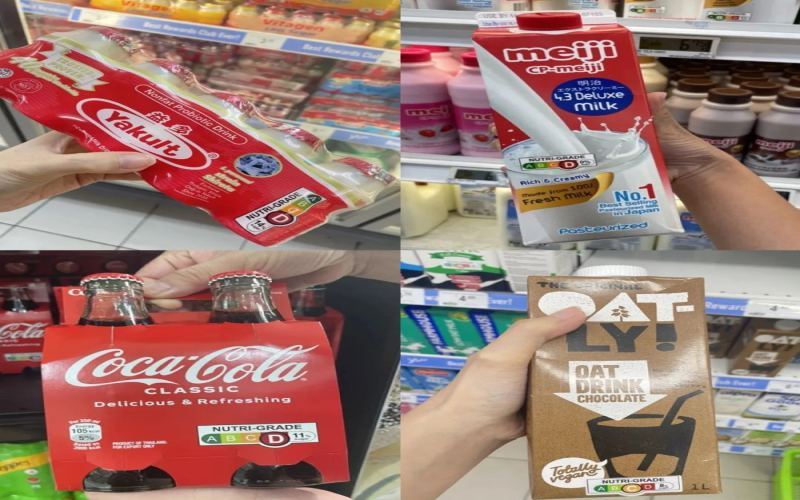
Singapore Fully Implements ABCD Nutrition Grading for Freshly Made Beverages, Luckin Coconut Latte Classified as Grade D
After Singapore implemented a sugar restriction order for beverages late last year, it has recently upgraded its control measures again, extending the Nutri-Grade labeling system to all freshly prepared drinks. From freshly brewed coffee and milk tea to fresh juices, even toppings like pearls and coconut jelly must now be labeled with their sugar content. Brands such as Starbucks, KOI Thé, and Ya Kun have gradually updated their menus, and Luckin's Coconut Latte has been classified as Grade D due to its high sugar and fat content. How exactly does this ABCD grading system work? What impact does it have on lattes and black coffee, which coffee lovers often drink? This article will outline the details of the new regulations and market reactions, and include purchasing advice from Front Street Coffee. [more…]
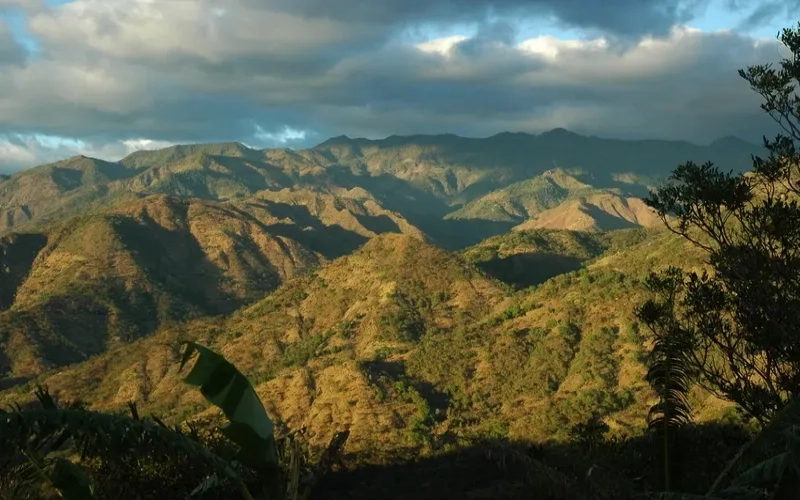
Honduras 2024 COE Champion La Salza Estate: The Road to Victory for Washed Geisha
Honduras, as Central America's second-largest and the world's tenth-largest coffee exporter, has become an important origin for specialty coffee thanks to its superior geographical and climatic conditions. In 2024, Honduras celebrated the 20th anniversary of hosting the COE (Cup of Excellence), with the Opalaca region performing particularly impressively, taking eight of the top ten places. La Salsa estate from this region won the COE championship with a washed Geisha scoring 91.21 points. Estate owner Benjamin Paz Muñoz claimed the top prize once again after 2022, demonstrating his remarkable strength. This article introduces Honduras' coffee terroir, the flavor characteristics of the Opalaca region, and the varieties and operational story of La Salsa estate. Front Street Coffee also continues to follow the subsequent performance of this champion bean. [more…]
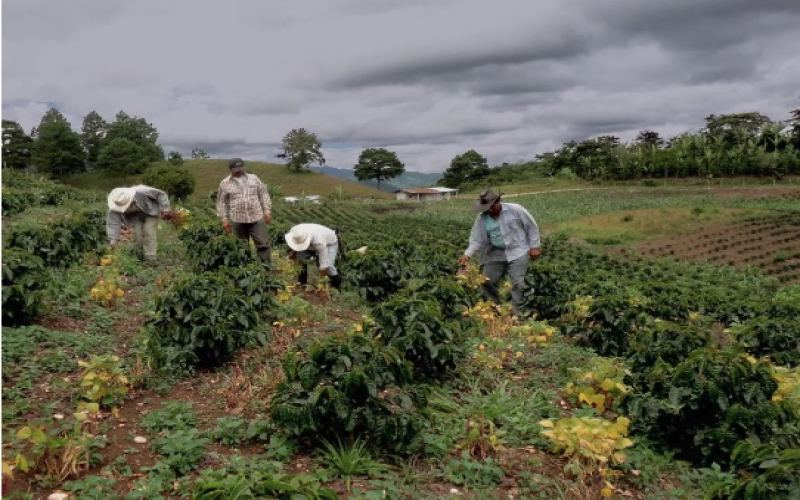
Honduras | Introduction to Coffee Growing Regions and Varieties
The full name of Honduras is the Republic of Honduras (República de Honduras), which is located in the northern part of Central America, bordering the Caribbean Sea to the north, the Gulf of Fonseca on the south side of the Pacific Ocean, and also ad [more…]
Nepal raises coffee procurement prices to safeguard growers' income, with industry scale and exports growing in tandem.
Nepal's National Tea and Coffee Development Board recently announced an increase in the minimum purchase prices for coffee cherries and parchment beans, with hikes ranging from 5 to 30 rupees per kilogram, aiming to give growers a more reasonable profit margin. Under the new pricing system, Grade A cherries are priced at 100 rupees/kg and Grade B at 90 rupees/kg, which officials say ensures a profit margin of about 20%. As a landlocked country on the southern slopes of the Himalayas, Nepal started commercial coffee cultivation relatively late, but in recent years, with government support, its planted area and production have gradually recovered, and export volume has grown by more than 10% year-on-year. This article will sort out the details of this price adjustment, the history of coffee cultivation and the distribution of producing regions in Nepal, as well as the latest production, sales and export data. [more…]
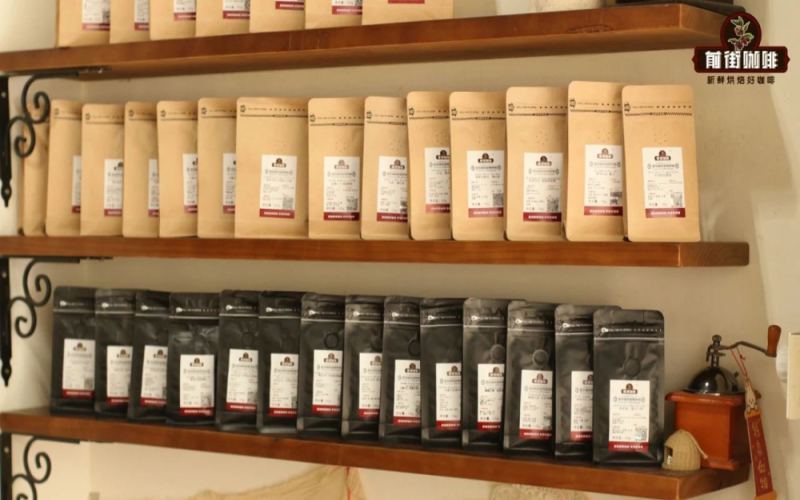
A Complete Guide to Honduran Coffee Regions: Six Major Origins, Grading System, and Flavor Characteristics
Although Honduras entered the coffee industry relatively late, it quickly rose to prominence thanks to its superior geographical conditions and microclimates, becoming the largest coffee producer in Central America and a major global producer of Arabica. This article systematically reviews the historical development, growing environment, and grading standards of Honduran coffee, and provides detailed explanations of six major producing regions: Copán, Opalaca, Montecillos, Comayagua, Agalta, and El Paraíso. It also includes Front Street Coffee's on-location photos, roasting curves, and brewing suggestions, giving you a comprehensive understanding of the unique charm of this rising star of Central American coffee. [more…]
A Complete Guide to Honduras's Six Major Coffee Regions: Flavor Profiles, Grading System, and Origin Stories
Honduras is located in northern Central America. Although its coffee industry started relatively late, it has risen rapidly thanks to its excellent natural conditions and has become an important global producer of Arabica coffee. This article will systematically review Honduras's coffee development history, geographical advantages, and grading system, and introduce one by one the six major producing regions of Copán, Opalaca, Montecillos, Comayagua, Agalta, and El Paraíso. At the same time, it will also present Front Street Coffee's bean selection and brewing practices in Honduras, helping coffee lovers gain a comprehensive understanding of the unique charm of this Central American coffee newcomer. [more…]

Single-Origin Coffee | What Is the Coffee Flavor Wheel? How Can Coffee Beginners Learn to Taste Single-Origin Coffee? How Do You Describe the Flavor Characteristics of Pour-Over Coffee?
After years of development, specialty coffee has formed a scientific system. From cultivation and processing at the green bean stage, to roasting, and then to brewing and tasting, there is a very complete body of knowledge. The improvement of green bean quality, roasting, and brewing quality ultimately serves to give us a better experience when tasting coffee. [more…]
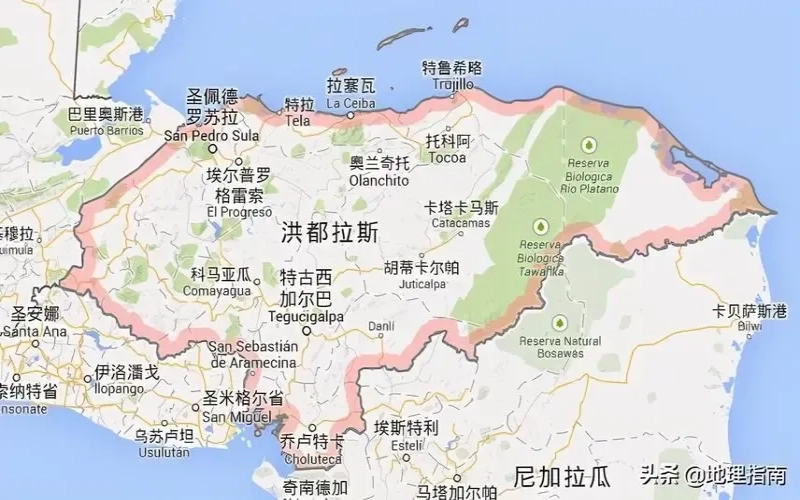
A Panoramic View of Honduran Coffee Regions: An Analysis of Six Major Origins and Varieties from Copán to El Paraíso
Honduras is the second-largest coffee exporter in Central America and the tenth-largest in the world. Most of its 280,000 hectares of coffee farms are run by smallholder farmers. The Honduran Coffee Institute (IHCAFE), founded in 1970, divides the country into six major regions: Copán, Opalaca, Montecillos, Comayagua, Agalta, and El Paraíso. Due to differences in altitude, rainfall, and microclimate, each region presents distinct flavors such as chocolate, tropical fruit, and lemon blossom. Front Street Coffee takes you through the terroir characteristics and main cultivated varieties of these regions, including Bourbon, Catuai, Pacas, Lempira, Typica, and Caturra. [more…]
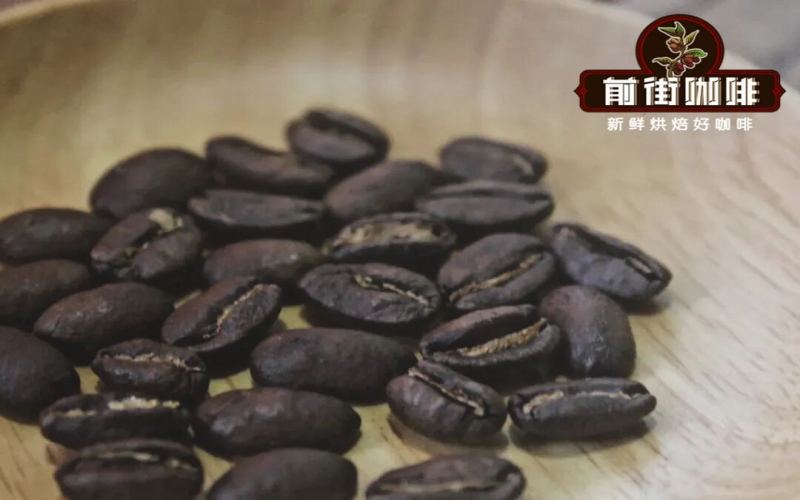
Honduras Coffee Beans | What Coffee Regions Are There in Honduras? What Flavor Characteristics Do Honduran Coffees Have?
Honduran coffee beans were not initially favored by the general public. While the coffees of neighboring Guatemala and El Salvador were making a name for themselves, Honduran coffee farmers were still struggling to survive. Honduras is located in northern Central America, bordered by the Caribbean Sea to the north and the Gulf of Fonseca on the Pacific Ocean to the south, and shares its eastern and southern borders with Nicaragua and [more…]

Building Coffee Sensory Skills from Scratch: A Practical Training Path for Specialty Pour-Over Single-Origin Tasting and an Analysis of SCA Courses
Specialty coffee has developed into a complete knowledge system spanning everything from cultivation and processing to roasting and brewing, and tasting is an indispensable part of it. When faced with professional courses such as Q-Grader and SCA sensory tasting, how should beginners choose? This article offers practical training advice on three levels—accumulating experience through drinking more, distinguishing tastes before discussing flavor, and understanding how flavor is composed—to help coffee lovers gradually build their own flavor memory bank through everyday drinking and describe a cup of coffee's taste and aroma as accurately as a professional. [more…]
A Complete Analysis of Honduran Coffee Regions: Flavor Profiles of Six Major Areas and Brewing Tips for Litchi Orchid
Honduran coffee has performed impressively on the international stage in recent years. Unlike traditional producing countries such as Brazil and Colombia, it is a rising star in Central America. This article systematically reviews six major Honduran coffee regions—Copán, Opalaca, Montecillos, Comayagua, El Paraíso, and Agalta—introducing each one's geographical conditions, altitude ranges, common varieties, and cup flavors. It also features Front Street Coffee's recommended Lychee Orchid from the Marcala region, describing its layered notes of lychee, brandy, cream, and chocolate, and explaining how medium roasting balances acidity, sweetness, and bitterness. [more…]
A Complete Guide to Honduran Coffee: Six Major Regions, Grading System, Bean Characteristics, and Front Street Coffee's Top Picks
Honduras is the largest coffee-producing country in Central America and a major global exporter of washed Arabica beans. Coffee here is known for its exotic spice-like aromas, rich nutty and chocolatey finish, and balanced complexity. Since its introduction in the late 18th century, Honduran coffee has gone through a tortuous journey from lagging behind to rising, and today it has six major regions including Copán and Opalaca, as well as a strict grading system based on altitude and defect rate. This article will give you a comprehensive understanding of Honduras coffee's geographical conditions, development history, regional distribution, processing methods, and main varieties, and introduce specialty coffee beans selected by Front Street Coffee, such as Sweet Orange Estate, Mocha Estate Sherry, and Lychee Orchid. [more…]
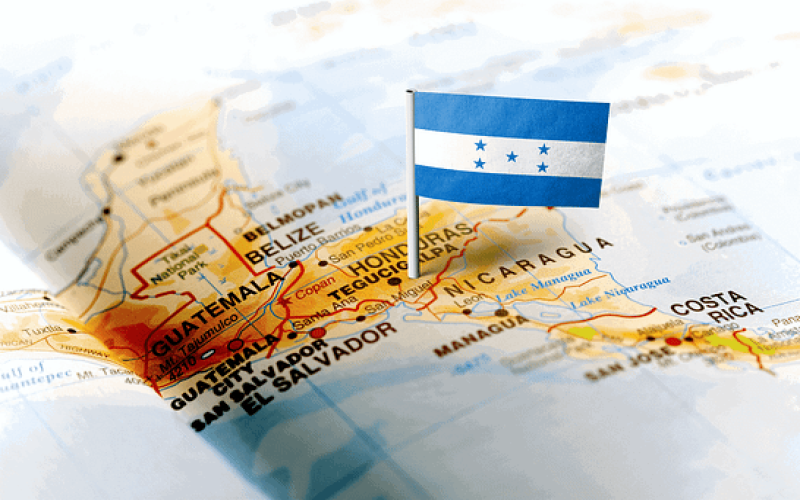
A Complete Guide to Honduran Coffee Origins: Flavor Characteristics, Grading System, and Main Producing Regions
Honduras is now one of the most important coffee-producing countries in the world, but just a few decades ago, its coffee industry lagged far behind its neighboring countries. From the perspective of Front Street Coffee, this article systematically reviews the development history, flavor characteristics, grading standards, and six core producing regions of Honduran coffee, and includes Front Street's roasting and brewing practice notes on several Honduran beans. Whether you want to understand the overall picture of Honduran coffee or are looking for flavor clues for a specific producing region, this article can provide valuable reference. [more…]

Specialty Coffee Knowledge Self-Test: From Multiple Choice to True/False, Test Your Coffee Expertise in One Go
2022 has already turned the page—did you complete the reading plan you set at the beginning of the year? This coffee knowledge self-test is the perfect opportunity to check your learning results. The questions cover core areas such as coffee origins, varieties, producing regions, processing methods, extraction, and storage, and include multiple-choice, fill-in-the-blank, and true-or-false formats, with answers and detailed explanations provided. Whether you are preparing for a barista exam or simply want to reinforce your specialty coffee knowledge, you can pick up a pen and paper, answer each question one by one, and then check your answers to fill in the gaps. At the end, there is also Front Street Coffee's selected bean list and communication channels, which are worth a look. [more…]
A Comprehensive Guide to Honduran Coffee: From Six Major Regions to Specialty Estates, Pour-Over Flavors, Varieties, and Processing Methods
Honduras is now a major global Arabica coffee producer, but its rise to prominence has not been smooth sailing. From the perspective of Front Street Coffee, this article systematically reviews the development history, grading system, and six core producing regions of Honduran coffee, and provides an in-depth analysis of the varieties, processing methods, and roasting and brewing details of three specialty beans: Twin Blossom Estate, Laurel Estate, and Sweet Orange Estate. You will learn about the chocolatey sweetness of the Copán region, the lively fruit acidity of Montecillos, and the flavor differences brought by washed and natural processing, making it suitable for enthusiasts who want a comprehensive understanding of Honduran coffee. [more…]
A Comprehensive Analysis of the Pour-Over Parameters and Flavor Characteristics of Honduras Sweet Orange Estate Coffee Beans, Light Roast
Honduras, as the largest coffee-producing country in Central America, has seen its coffee industry travel a winding road from obscurity to the ranks of the world's leaders. This article will start with Honduras's coffee development history, producing regions, and grading system, then focus on the washed Catuai variety from Sweet Orange Estate in the La Paz producing region in the southwest. Front Street Coffee will share this bean's green coffee characteristics, the design approach for its roasting curve, and complete brewing parameters for pour-over at a light roast, including grind size, water temperature, and coffee-to-water ratio, as well as a detailed description of its flavor layers of spicy roasted peanut dry aroma, berry acidity, and genmaicha finish, providing coffee lovers with a practical brewing reference. [more…]